
Thinking about buying a home in Phoenix and wondering how HOAs actually work? You are not alone. Most planned communities and condos across Maricopa County are governed by a homeowners association, and the rules, fees, and day-to-day experience can vary a lot. In this guide, you will learn what HOAs do, what fees cover, which rules are common in the Phoenix area, and how to review an association’s financial health before you make an offer. Let’s dive in.
What an HOA is in Phoenix
A homeowners association is a private organization that maintains common areas, enforces community rules, and collects assessments from owners. You will see HOAs in single-family subdivisions, master‑planned communities, townhomes, and condos throughout Phoenix and the suburbs.
HOAs run on key documents you should review early:
- CC&Rs (Covenants, Conditions & Restrictions) set long-term use restrictions and architectural standards.
- Bylaws explain internal governance, meetings, and voting.
- Rules & Regulations cover day-to-day issues like parking and pool hours and are usually easier to update.
Some associations are self-managed by the board. Many larger Phoenix communities hire a professional management company. That can influence service levels, fees, and response times.
Arizona legal basics you will encounter
In Arizona, HOAs operate under their governing documents and state law. When a property sells, buyers receive HOA information through a resale certificate or estoppel letter. This document typically lists current assessments, transfer-related fees, any pending special assessments, and known litigation or liens.
Associations can enforce CC&Rs, levy fines, and place liens. In certain circumstances, they can pursue foreclosure for unpaid assessments. Timelines and procedures vary, so review the resale certificate closely and consult your agent or a local attorney if you see complex issues.
What HOA fees cover
You will encounter several fee types during ownership and at closing:
- Regular assessments fund operations and common-area maintenance.
- Special assessments are one-time charges for capital projects like road repairs or pool renovations.
- Transfer, estoppel, or resale fees are administrative charges for preparing sale documents.
- Move-in or gate/fob deposits may apply in condo or gated communities.
- Utility pass-throughs can occur where the HOA pays for items like irrigation or street lighting.
What drives Phoenix HOA dues
- Amenities. Pools, fitness centers, clubhouses, private roads, and gated entries tend to increase costs.
- Landscape water use. Xeriscaping reduces bills, while large turf areas raise them.
- Community size. Small associations often have higher per‑home costs. Large master plans can spread costs but may have bigger capital needs.
- Reserves. Well-funded reserves mean steadier dues and fewer surprise assessments.
- Management and vendors. Professional management and full-service maintenance increase operating expenses.
Common Phoenix HOA rules
Phoenix-area rules reflect our climate, landscaping norms, and popular amenities. Always verify details in the CC&Rs and current Rules & Regulations.
Landscaping and water standards
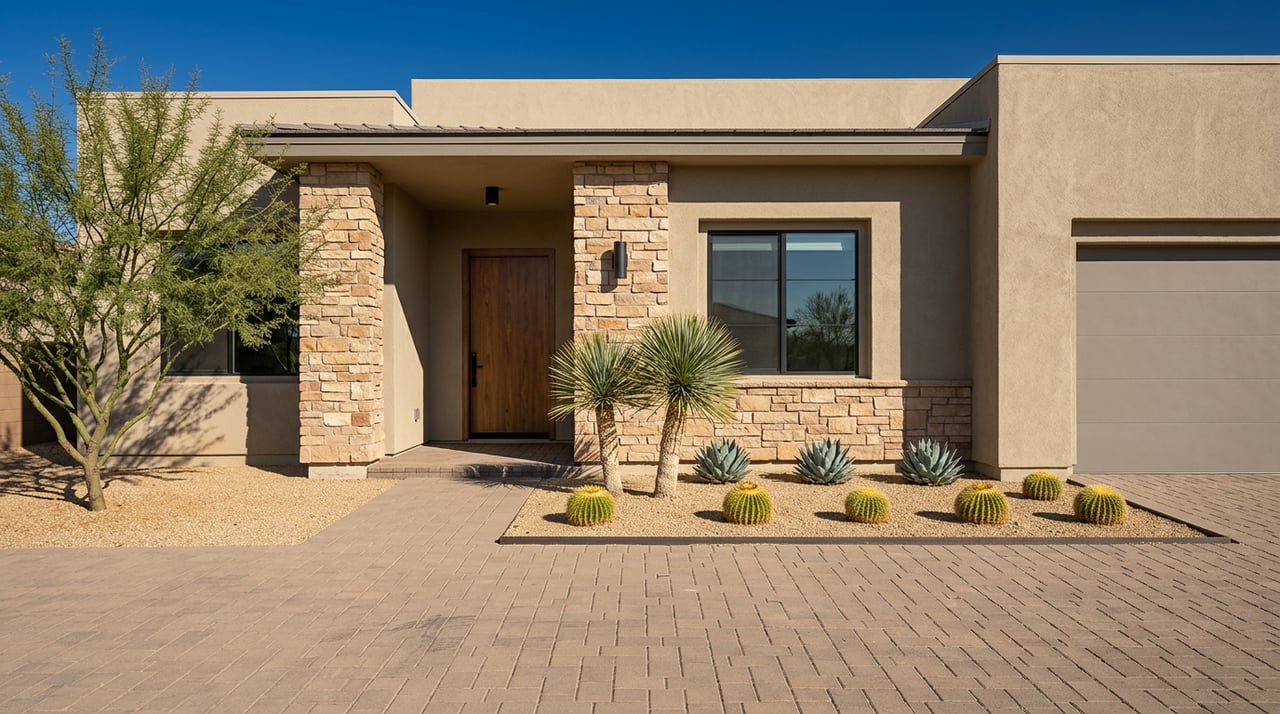
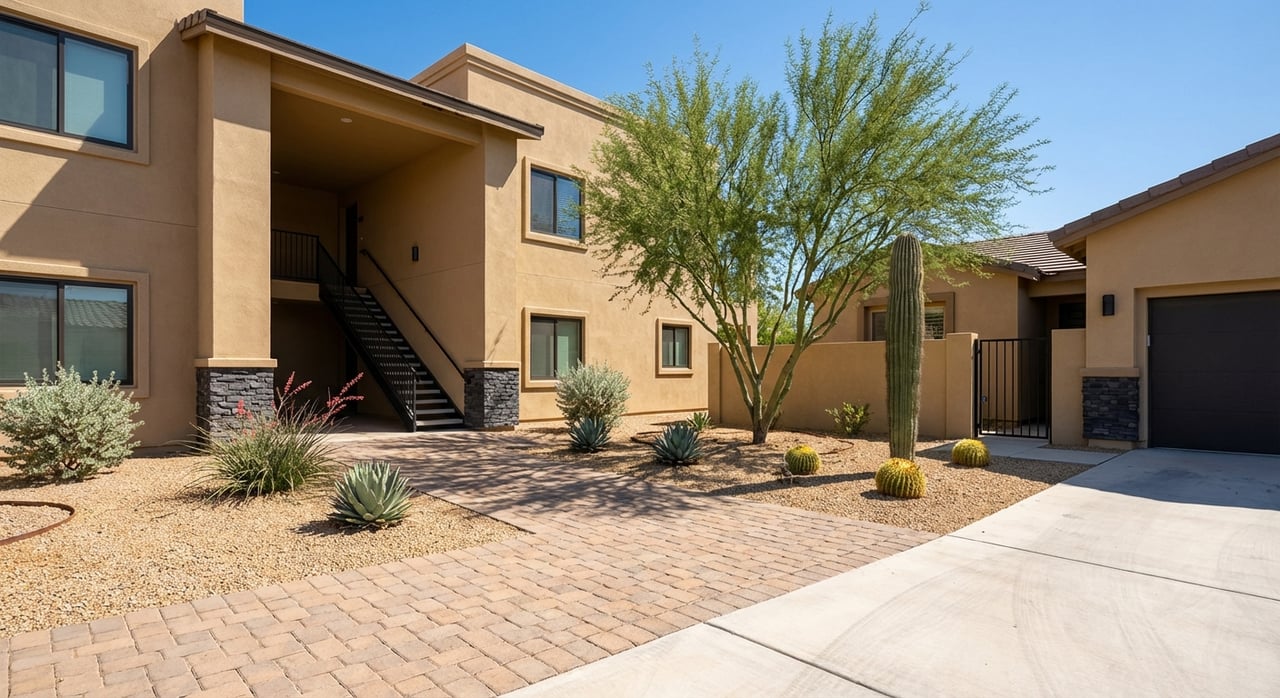
Many HOAs allow or encourage xeriscaping and desert-adapted plants, while some communities still prefer manicured turf in front yards. You may see approved plant lists, requirements for rock or gravel groundcover, and rules around visible irrigation equipment. Overwatering, dead landscaping, or non-compliant yards can lead to notices or fines.
Exterior changes and architectural control
Most CC&Rs require an Architectural Review Committee (ARC) approval before exterior changes. Paint color palettes often lean toward earth tones appropriate for the desert. Roofing, fencing, driveways, and even satellite dish placement can be regulated. Processing times and fees vary, so factor ARC timelines into any renovation plans.
Parking, garages, RVs, and boats
Street and overnight parking rules are common. Some associations restrict guest parking duration or prohibit overnight street parking. RVs, boats, trailers, work trucks, and commercial vehicles are frequently restricted and may require off-site storage. A few communities offer HOA-run storage for an added fee.
Rentals, short-term rentals, and pets
Rental policies vary widely. Some HOAs limit the percentage of rentable homes, set minimum lease terms, or restrict short-term rentals. Others are more flexible. Pet policies typically address size, number, and cleanup, along with leash requirements.
Solar, EV charging, and heat-smart features
Arizona protects homeowners’ rights to install solar with reasonable HOA design review. HOAs may guide placement but cannot impose unreasonable bans. EV charging requests often require ARC approval and may have rules for wiring or shared spaces. Shade structures, pergolas, and equipment screening are also commonly regulated.
Due diligence checklist before you offer
Ask for key documents early. If you are comparing multiple Phoenix communities, this checklist will help you get apples-to-apples clarity.
- CC&Rs, Bylaws, Articles of Incorporation
- Current Rules & Regulations and architectural guidelines
- Most recent budget and year-to-date financials
- Reserve study and reserve fund balance; capital projects planned over the next 5 years
- Board and member meeting minutes for the past 12–24 months
- Statement of assessments and the resale/estoppel certificate
- HOA master insurance summary
- Notices of violations or enforcement actions
- Management company and board contact information
Smart questions to ask
- Are special assessments planned? If yes, what will they cost and when?
- What is the current assessment amount and what does it include?
- How much is in reserves, and is there a recent reserve study?
- How often have assessments increased in recent years?
- What are the rules for exterior changes, paint, landscaping, and parking?
- Are rentals or short-term rentals restricted?
- Are any covenants being amended or challenged?
- Who manages the association, and when is the next board meeting or election?
On-the-ground verification
- Attend a board or member meeting if possible to hear priorities first-hand.
- Speak with immediate neighbors about enforcement culture and maintenance standards.
- Search recorded CC&R amendments and liens with the Maricopa County Recorder.
- Scan neighborhood forums or local news for any notable disputes or litigation.
- Drive the community at different times to observe parking, landscaping, and amenity usage.
How to evaluate HOA financial health
An HOA’s financials tell you if dues are sustainable or if surprises may be ahead. Ask for the latest budget, income statement, balance sheet, and reserve study or reserve balance. Check for a recent audit or review and look at the delinquency rate.
What to look for:
- Reserves. A healthy reserve plan reduces the need for emergency assessments.
- Special assessment history. Repeated or large assessments in the past 5–10 years are a caution sign.
- Delinquencies. A high percentage of owners behind on dues can strain cash flow.
- Upcoming projects. Planned capital work should have a funding plan.
- Litigation. Legal issues can become costly and may impact assessments.
Red flags worth a second look
- Pending expensive special assessments or ongoing litigation disclosed in the resale certificate
- Low reserves paired with recent emergency assessments
- High delinquency rates or frequent owner complaints in meeting minutes
- Strict or ambiguous ARC rules that conflict with your renovation plans
- Rental or short‑term rental restrictions that conflict with your strategy
- Poorly maintained common areas despite relatively high dues
Tips for investors and second‑home buyers
- Confirm rental policy fit. If you need flexibility, prioritize communities with clear, compatible lease terms.
- Stress-test cash flow. Model dues increases and potential special assessments.
- Check reserves. Weak reserves today can mean higher costs later.
- Plan for ARC timelines. If you expect to remodel, understand approval steps and timing.
- Vehicle storage. If you own an RV or boat, confirm restrictions and storage options.
How Ro & Co helps you navigate
You deserve clear answers before you commit to an HOA. Ro & Co International brings investor-minded scrutiny and neighborhood-level insight across Phoenix, Scottsdale, the East Valley, and the West Valley. We help you request the right documents early, compare HOA budgets and reserves, and understand how rules could affect your lifestyle, renovation plans, or rental strategy. When documents reveal complex issues like litigation or special assessments, we coordinate next steps and connect you with the right local resources so you can move forward with confidence.
Next steps
- Shortlist a few Phoenix communities that fit your budget and lifestyle.
- Request CC&Rs, Rules & Regulations, and the latest financials and reserve study.
- Review the resale certificate for assessments, fees, litigation, or liens.
- Walk the neighborhood at different times and speak with neighbors.
- Bring questions to your agent and, if needed, a local attorney.
Ready to find the right HOA fit and home in the Phoenix area? Reach out to Ro & Co International for focused guidance and a game plan tailored to your goals.
FAQs
What is an HOA in Phoenix?
- A homeowners association is a private group that enforces community rules, maintains common areas, and collects assessments in many Phoenix subdivisions, condos, and townhomes.
What do HOA dues usually cover in Maricopa County?
- Regular assessments typically fund common-area upkeep, amenities, management, and sometimes shared utilities; details vary by community and are listed in the budget and resale certificate.
How do I review CC&Rs before buying a home?
- Request the CC&Rs, Bylaws, and Rules & Regulations early, then confirm any planned changes, ARC requirements, and rule enforcement by checking recent meeting minutes and asking the management company.
Can a Phoenix HOA restrict short‑term rentals?
- Many HOAs set rental limits or minimum lease terms and may restrict short‑term rentals; verify the CC&Rs and any registration or fee requirements before you make an offer.
What is a resale or estoppel certificate in Arizona?
- It is a disclosure package that typically lists current dues, transfer fees, pending special assessments, and known litigation or liens so you can evaluate costs and risks before closing.
How can I spot an HOA with financial risk?
- Look for low reserves, frequent special assessments, high delinquency rates, litigation, or sudden dues spikes in the budget, reserve study, and meeting minutes.
Are solar panels allowed in Phoenix HOAs?
- Arizona policies protect homeowners’ rights to install solar with reasonable design review; expect placement guidelines but not unreasonable bans, and confirm the ARC process.