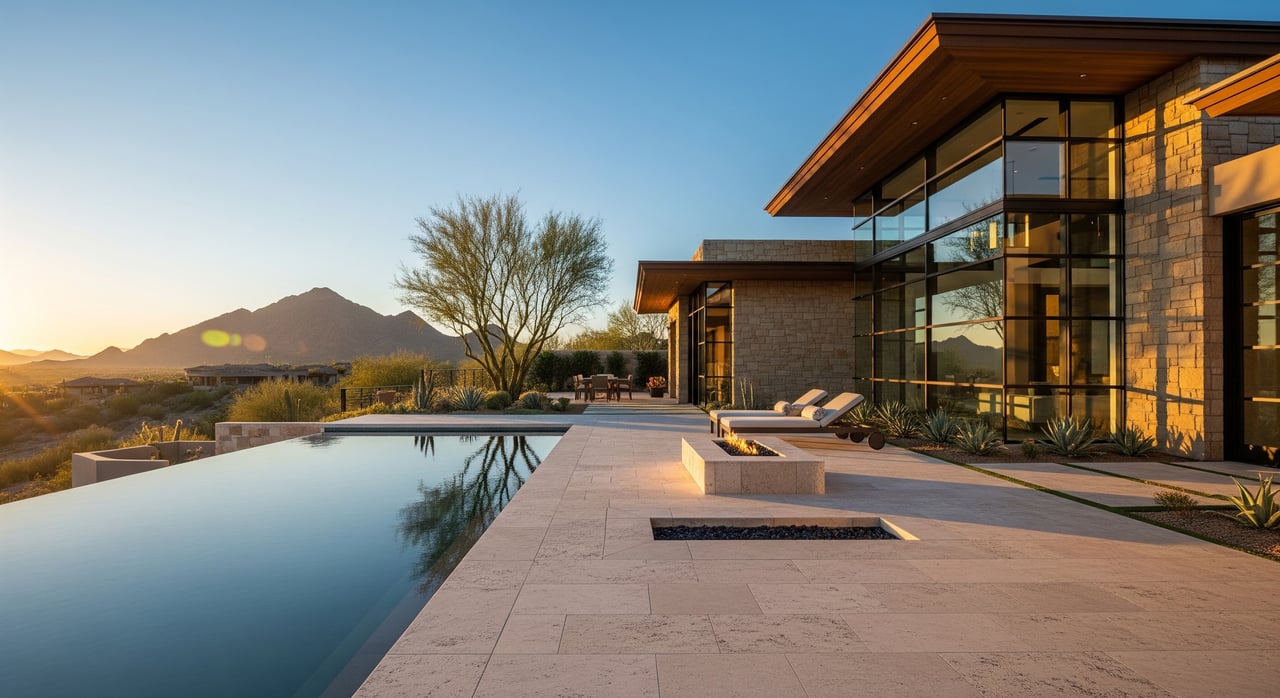
Looking for space, views, and privacy without giving up city access? Paradise Valley offers a rare mix of custom estates, mountain and skyline panoramas, and a low-density feel right next to Phoenix and Scottsdale. If you want room to breathe and a home that embraces the outdoors, this guide shows you what living here really looks like. You’ll learn how homes are built around views, where people go for dining and golf, what drives pricing, and smart things to check during tours. Let’s dive in.
Paradise Valley at a glance
Paradise Valley is an incorporated town tucked between Phoenix and Scottsdale at the base of Camelback and Mummy Mountain. It is primarily residential, with limited commercial corridors and a few luxury resorts. That zoning focus creates an estate-style environment with a quiet, private feel.
You get the benefits of proximity to urban amenities while living in a place that protects open desert character and mountain foothills. Many streets feel intimate and low-traffic compared to busier suburban hubs nearby.
Homes and architecture
Custom estates dominate
Inside town limits, you’ll mostly find custom single-family estates rather than condos or townhomes. Homes span mid-century modern and Southwestern hacienda to contemporary and Mediterranean or Spanish Revival. Recent projects often include high-end contemporary remodels and ground-up builds centered on indoor-outdoor living.
Lot sizes and privacy
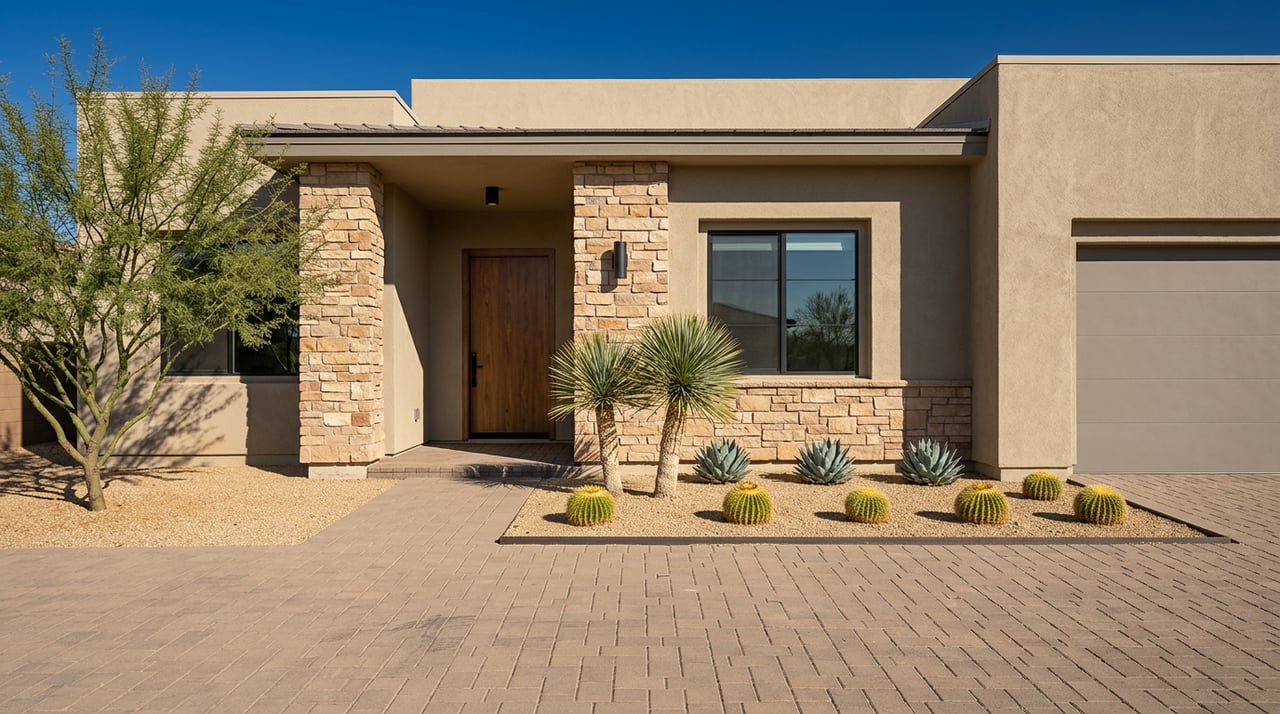
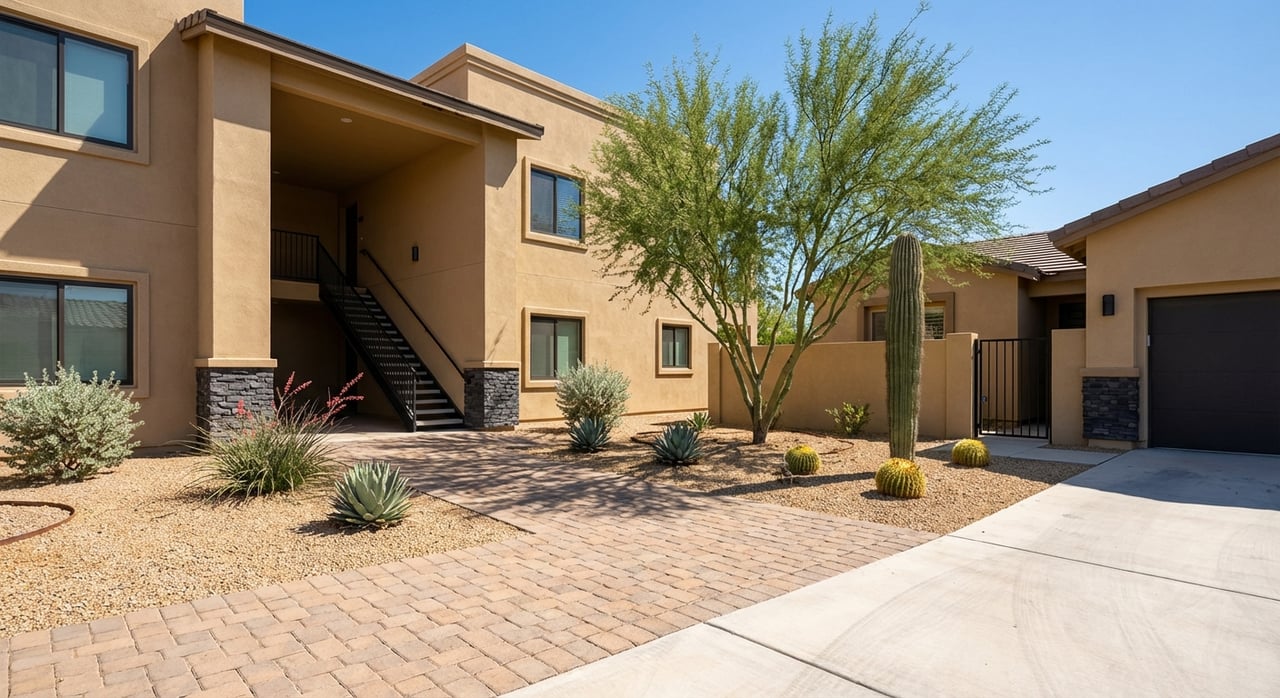
Lots are notably larger than in many Phoenix suburbs. Many properties sit on half-acre to multi-acre parcels, with some estates on several acres, especially near the foothills. Expect mature desert landscaping, private pools, covered patios, and generous setbacks from roads. Single-level ranch estates are common, while multi-level designs appear on elevated or constrained sites.
Design trends buyers want
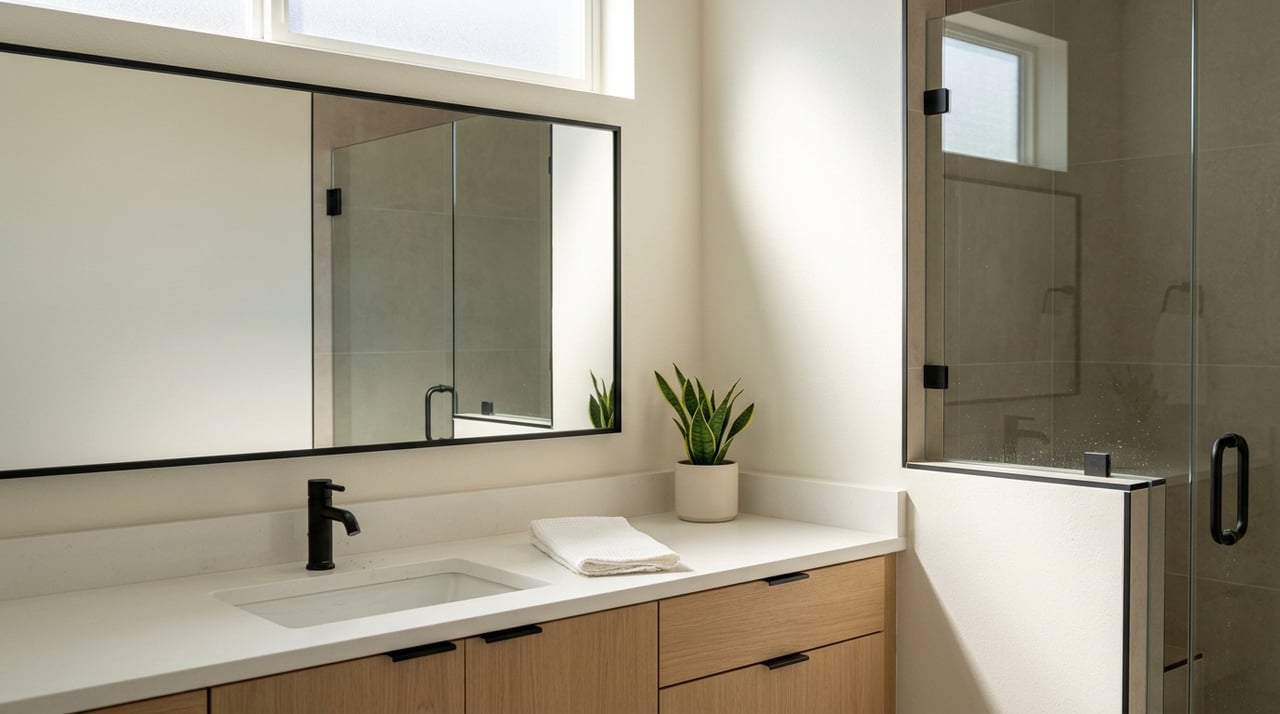
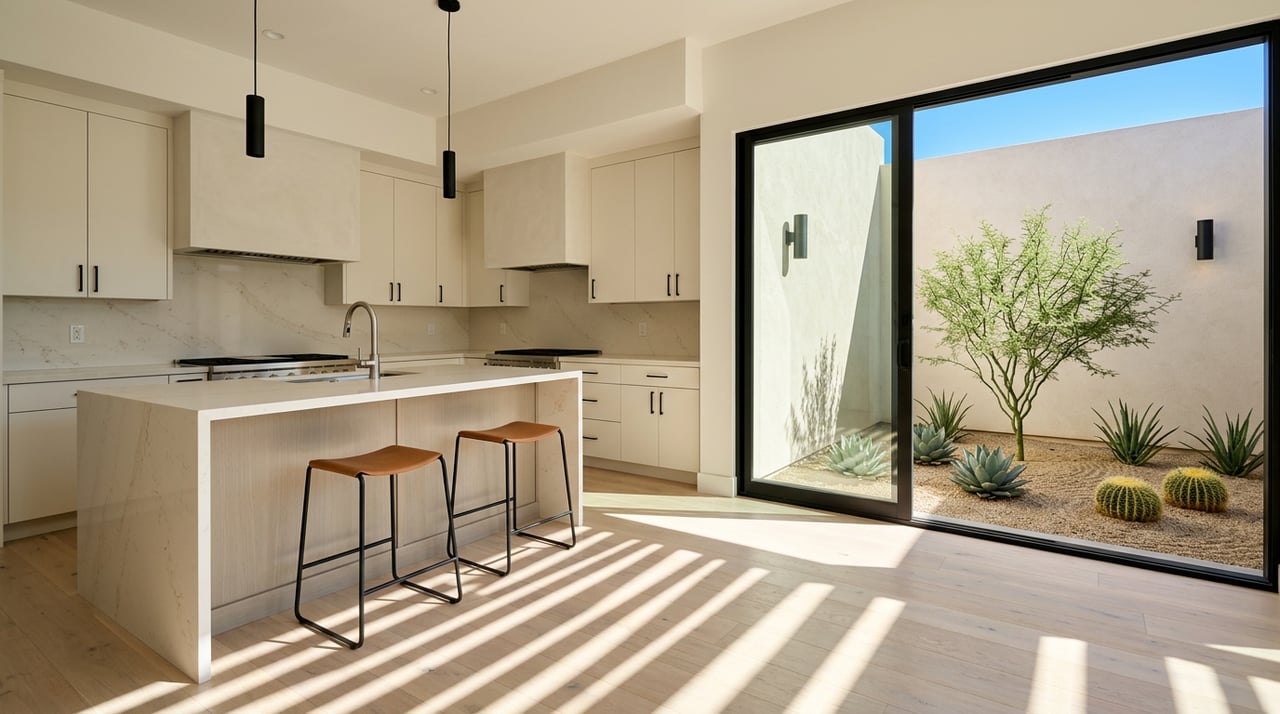
Paradise Valley homes often feature open floor plans, floor-to-ceiling glass oriented to views, and chef-level kitchens. Primary suites on the main level and spa-like baths are typical in luxury builds. You’ll also see strong demand for indoor-outdoor integration with pocketing doors, shaded loggias, outdoor kitchens, and fire features. Sustainability features like solar, EV charging, smart-home systems, and water-wise landscaping are increasingly popular.
Views that shape value
Mountain vs city-light panoramas
Two view types tend to drive value: direct mountain views of Camelback or Mummy Mountain, and sweeping skyline or valley vistas. Higher-elevation lots or those with minimal obstructions command premiums. Sunsets and city lights add evening appeal, and window placement is often designed to frame these moments.
Orientation tips for buyers
When you tour, note the home’s orientation. West-facing glass can deliver sunsets but may need shading solutions in summer. North-facing exposures often provide softer light. Check whether primary living areas, patios, and the pool align with the best view corridors. If a lot backs to a wash or natural open space, that can increase privacy and the feeling of openness.
Outdoor living and Sonoran climate
Year-round lifestyle
Paradise Valley sits in the Sonoran Desert, with hot summers that regularly exceed 100°F and mild winters. Outdoor living is truly year-round, but the rhythm changes by season. In summer, shaded areas, pools, and indoor daytime living are key. From fall through spring, patios, courtyards, and outdoor kitchens see heavy use for relaxing and entertaining.
Pools, shade, and water-wise design
Private pools and spas are common features. Shade structures, deep overhangs, and evaporative cooling strategies help keep outdoor areas comfortable. Desert landscaping that balances beauty and water conservation is the norm, and many owners add smart irrigation systems to manage usage efficiently.
Hiking, parks, and open space
You have quick access to some of the region’s most-loved trails. Nearby options include Echo Canyon on Camelback Mountain, Piestewa Peak, and Papago Park. Biking and running are popular, and many residents use the connected trail systems in Scottsdale and Phoenix preserves for safer, more enjoyable routes.
Golf, dining, and resorts
Resort scene close to home
Paradise Valley’s luxury resorts are a big part of the local lifestyle. They bring fine dining, spa services, and fitness options close to home, with some properties offering memberships or day-access programs for residents. Resort clusters also influence local traffic and planning, so you’ll see careful attention to how these areas interact with neighborhoods.
Dining and shopping nearby
Because commercial corridors are limited in town, you’ll often head to adjacent areas for dining and shopping. Arcadia offers high-end casual options and coffee spots. The Biltmore area brings hotel dining and boutique shopping. Old Town Scottsdale and Kierland offer upscale restaurants, galleries, and nightlife when you want a night out.
Clubs and golf options
Private country clubs and resort-affiliated golf are common anchors for residents who golf or enjoy club amenities. You’ll find a mix of private, public, and resort courses in and near Paradise Valley, with Scottsdale delivering additional variety and tournament-level venues.
Getting around and daily life
Commutes and airports
Paradise Valley is car-centric. Drives to downtown Phoenix or Scottsdale are typically short by regional standards, often 15 to 30 minutes, though peak congestion along major corridors can add time. Phoenix Sky Harbor International Airport is usually a 15 to 30 minute drive depending on traffic. Many households use ride-share, private drivers, or chauffeured services, and EV charging has become a common feature in luxury builds.
Schools and services
Parts of Paradise Valley are served by different public school districts, including Paradise Valley Unified and Scottsdale Unified, depending on the address. Private and parochial options are available across the metro. Verify exact district boundaries for specific properties. Major hospitals and specialty medical centers in Phoenix and Scottsdale are a short drive away.
Permits, HOAs, and utilities
The town’s policies are designed to preserve residential character and foothill landscapes. Hillside rules, design review, and water-use considerations can affect remodels or new construction. Some neighborhoods are gated with HOAs that set design guidelines, while many areas have no HOA. Utilities vary by parcel, and historically some larger or more remote lots used private wells or septic. Confirm connections and systems during due diligence.
Market snapshot for buyers
Paradise Valley is a luxury market within the Phoenix metro. Entry points are typically in the high six-figure range and go up to multi-million-dollar estates. Exceptional custom properties on premier view lots or significant acreage can reach the higher multi-millions or even tens of millions. Price is influenced by lot size, orientation and views, proximity to Camelback Mountain, the level of remodel or new construction, and privacy or landscaping.
Move-up families, luxury buyers, empty nesters, and second-home owners are all active here. If you value design, privacy, and outdoor living, Paradise Valley delivers a distinctive experience next to the city’s cultural, dining, and healthcare hubs.
What to look for on tours
Use this quick checklist when evaluating properties:
- Views and orientation. Identify the home’s main view corridors. Confirm that living spaces and the primary suite capture those views.
- Elevation and privacy. Higher sites and natural open space behind the lot can enhance privacy and city-light vistas.
- Indoor-outdoor connection. Look for pocketing doors, shaded patios, and outdoor kitchens that extend living space.
- Pool and shade design. Assess pool placement, depth of overhangs, and shade structures for summer usability.
- Landscaping and irrigation. Confirm desert-appropriate plantings and smart irrigation systems for water efficiency.
- Topography and drainage. Check for washes, arroyos, and drainage patterns that may influence design or insurance.
- Energy and tech. Note solar arrays, battery backup, EV charging, and smart-home controls.
- Guest spaces. Casitas, guesthouses, and detached garages add function for visitors or multigenerational living.
- Permitting and HOA. Ask about hillside rules, design review, and any HOA architectural guidelines.
- Risk review. Verify floodplain status and any firewise guidance for foothill-adjacent parcels.
Work with a trusted local advisor
Buying or selling in Paradise Valley requires a fine balance of lifestyle vision and hard-nosed due diligence. You want a team that understands design, construction, and what consistently holds value here. Our investor-first approach helps you weigh remodel potential, orientation, and finish-level decisions with clear ROI thinking, while our boutique service keeps the process personal and responsive.
If Paradise Valley is on your list, let’s talk through your goals and shortlist the right homes. Connect with Ro & Co International to get tailored guidance or to schedule a private tour.
FAQs
What types of homes are common in Paradise Valley?
- Custom single-family estates are the norm, with styles ranging from mid-century and Southwestern to contemporary and Mediterranean or Spanish Revival.
How large are lots and why does that matter?
- Many properties sit on half-acre to multi-acre parcels, which increases privacy, allows for pools and outdoor living, and strongly influences pricing.
How long are typical drives to Phoenix and the airport?
- Drives to downtown Phoenix or Scottsdale are often 15 to 30 minutes, and Phoenix Sky Harbor usually takes a similar 15 to 30 minutes depending on traffic.
Are most neighborhoods in Paradise Valley governed by HOAs?
- Many areas have no HOA, though some gated communities and subdivisions do, often with architectural guidelines that affect remodels and new builds.
Which views tend to command the highest premiums?
- Direct mountain vistas of Camelback or Mummy Mountain and elevated city or valley views commonly carry premiums, especially with unobstructed sightlines.
What should I know before remodeling or building here?
- Expect town review for design and hillside standards, and plan for water-use and drainage considerations; confirm any HOA design rules early in the process.