Looking at a fixer in Glendale and wondering if the numbers will really work? You are not alone. With Phoenix‑area demand shifting month to month and Glendale’s mix of 1960s ranches and newer HOA communities, a flip can be profitable if you underwrite it with local precision. In this guide, you will learn how to price ARV the Glendale way, build a real rehab budget, plan for permits and timelines, and map an exit before you buy. Let’s dive in.
Know the Glendale market basics
Glendale sits within the Phoenix metro, so buyer demand, mortgage rates, and inventory shape your timeline and pricing. Neighborhoods near major employers, the State Farm Stadium area, and convenient commutes to central Phoenix draw steady interest. Micro‑market comps matter more than metro averages, so lean on recent local sales, not headlines.
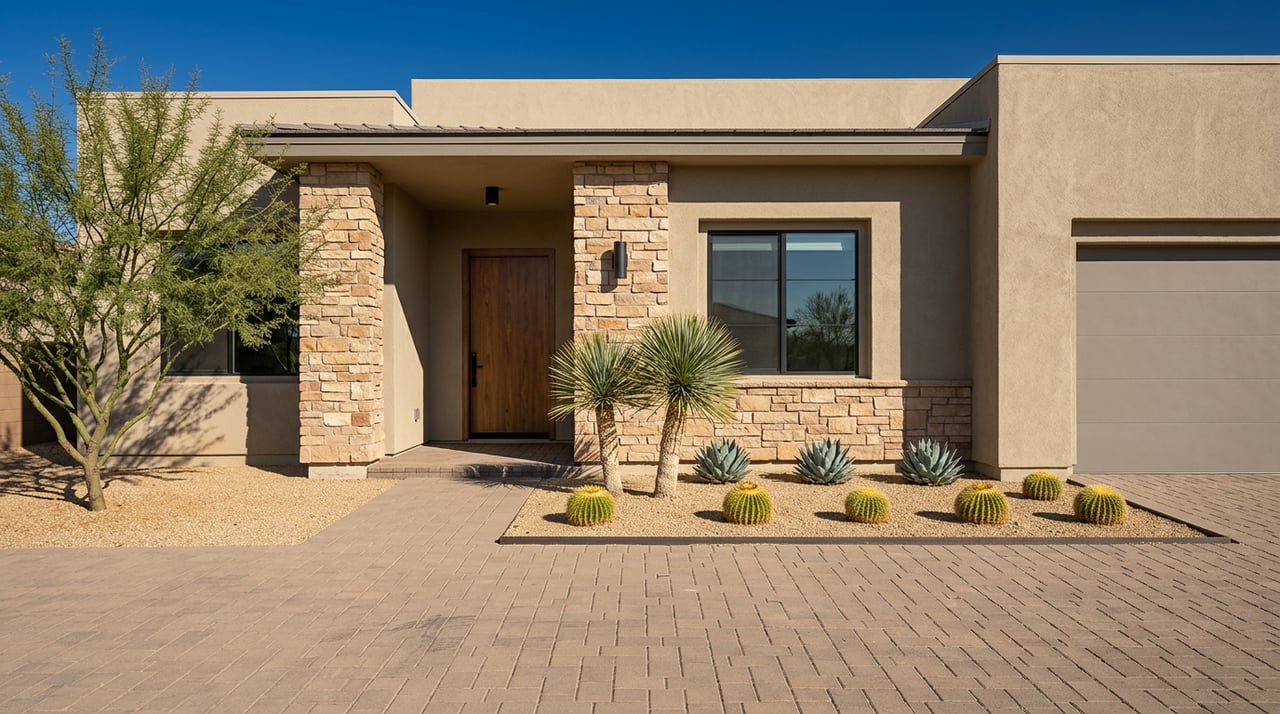
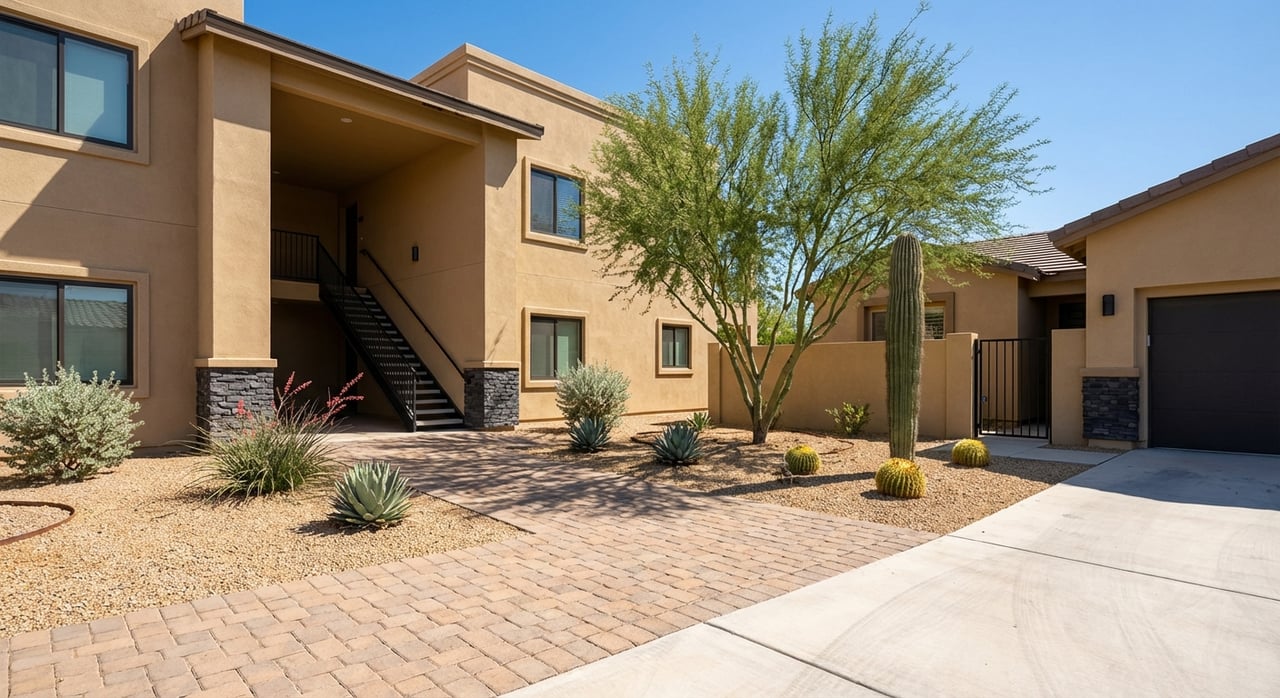
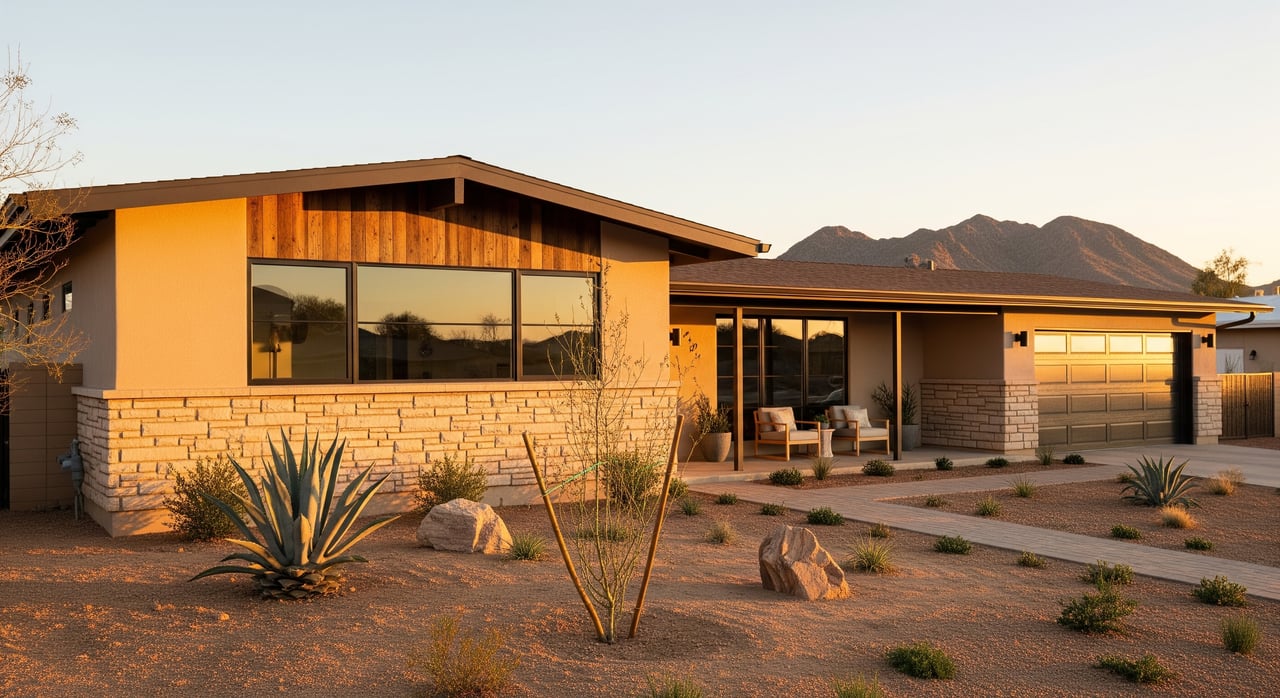
Typical Glendale homes include post‑war ranches and 1970s to 1980s tract homes, plus 1990s and newer master‑planned communities. Many have stucco exteriors, concrete slab foundations, and tile roofs. Central HVAC is standard. Pools are common, which can help ARV in some tiers and slow absorption in entry‑level segments. HOAs and CC&Rs in planned communities set exterior rules that affect both renovation scope and resale.
What sells fast here: reliable AC performance, one‑level living, functional pools at the right price point, and clean curb appeal suited to a desert climate. Keep these in focus as you evaluate a deal.
Nail your ARV with Glendale comps
A defensible After Repair Value is your anchor. Use this step‑by‑step approach to build a conservative ARV that fits Glendale’s micro‑markets.
Define the subject profile
List the essentials before you comp:
- Beds, baths, living area, and stories
- Lot size and yard type, pool or no pool
- Year built, foundation type, roof type
- Garage or carport, RV parking if present
- HOA and CC&Rs, school boundaries for search filters
- Key upgrades that will be complete at resale (HVAC, roof, windows)
Select true comparable sales
Start with closed sales from the last 3 to 6 months. Stay within the same subdivision when possible or within 0.5 to 1 mile in a similar neighborhood. Match bed and bath counts or adjust. Keep living area within about 10 to 20 percent. Respect lot type, street location, and pool status. Do not mix condos or attached product with single‑family comps.
Target three to six strong comps. If inventory is thin, widen the time frame carefully and note any market shifts that occurred.
Price per square foot and line‑item adjustments
Calculate price per finished square foot for each comp, then review the average and median. Make line‑item adjustments only for differences buyers actually pay for in Glendale:
- Bedrooms and baths where the layout materially changes utility
- Square footage differences, adjusted by local price per foot
- Pool presence, based on buyer response in the specific neighborhood and price tier
- HVAC age and roof condition, which carry real premiums in this climate
- Lot size, cul‑de‑sac placement, orientation, and parking
- Foundation or slab issues, which require negative adjustments when comps are clean
Reconcile to an ARV range and use the conservative end for your purchase model. If comps are thin or the market is softening, tighten further.
Glendale‑specific watchouts in ARV
- Pools can increase value in mid to upper tiers but may narrow buyer pools in entry‑level segments. Check recent neighborhood sales to see the actual premium.
- Roof type matters. Tile is common and expected in many areas. An asphalt roof surrounded by tile roofs can be a negative.
- A recent HVAC with a transferable warranty behaves like a true upgrade here and can support price.
- Arizona’s expansive soils can create slab movement. If the subject shows signs and comps do not, reduce ARV and budget for repair.
- HOAs can restrict exterior changes and colors. Confirm what is allowed before you assume an exterior upgrade will drive a premium.
Build a realistic rehab budget
Your budget should be a line‑item scope with contingencies, not a round number. Glendale labor and material prices mirror the broader Phoenix market and can shift with demand. Always get written bids from licensed Arizona contractors.
Include these categories every time
- Demolition and disposal
- Carpentry and minor structural
- Foundation and slab repairs
- Roofing repairs or replacement
- HVAC repair or replacement including ductwork
- Electrical updates or panel replacement
- Plumbing fixtures or re‑piping
- Kitchen cabinets, counters, appliances
- Bathrooms, tile, fixtures, vanities
- Flooring across the home
- Doors and windows, repairs or replacement
- Interior and exterior paint
- Landscaping and drainage for curb appeal
- Pool repair, equipment, and safety compliance if present
- Permits and inspection fees
- Utilities and temporary services
- Pest and termite remediation if needed
- Contingency
- Carrying costs such as interest, insurance, taxes, utilities, HOA fees
- Sales and closing costs including staging and concessions
Budgeting principles for Glendale homes
- Prioritize HVAC and roof. Underestimating either is a common and costly mistake in this climate.
- Pools can surprise you. Budget for equipment, possible replastering, and safety items. Verify condition early.
- Foundation risk deserves paid inspections if you see cracking, sloping, or sticky doors. Prices can swing widely.
- Set contingency at 10 to 15 percent of hard costs for simpler projects. Push to 20 percent or more on older homes or when you have unknowns.
- For accuracy, collect at least three independent bids for major trades and reconcile differences before you close.
Plan for permits and timelines
Permitting affects your holding costs as much as materials do. Inside Glendale city limits, the Building Safety Division issues permits. For unincorporated areas, Maricopa County handles permits.
Work that typically needs a permit includes structural changes, electrical, plumbing, mechanical, roof replacement, most additions, and some window or door replacements. If your home is in an HOA, secure HOA approvals for exterior work before you submit to the city.
Practical timeline ranges
- Cosmetic projects without structural, electrical, or plumbing changes may start fast and finish in days to a couple of weeks.
- HVAC or roof replacement with permits often takes 1 to 4 weeks for plan, permit, and inspections, longer in high‑demand seasons.
- Moderate remodels that trigger plan review can require 2 to 8 weeks for permits, plus the construction window.
- Major renovations or additions can see 4 to 12 or more weeks of plan review and permitting, depending on scope and reviews needed.
Schedule inspections early and expect re‑inspection windows. Always confirm current processing times with the city before you buy, since staffing and volume change. Never skip required permits. It invites fines, rework, and disclosure problems at resale.
Due diligence inspections to order
- Full home inspection
- Roof inspection with age estimate
- HVAC inspection with performance checks
- Termite and pest inspection
- Foundation specialist if there are signs of movement
- Pool equipment and surface inspection if applicable
- Sewer camera for older plumbing or root concerns
If you suspect a big repair, secure a contractor‑backed conditional estimate before you commit.
Model carrying and selling costs
A flip’s profit often hinges on the months you hold it. Price in these costs from day one:
- Financing costs such as points and monthly interest
- Property taxes, insurance, and utilities
- HOA dues and any violation cures
- Pool and yard maintenance during the hold
- Agent commission, closing costs, staging, and potential concessions at sale
Layer these costs into your spreadsheet and run timing scenarios that reflect permit and inspection realities.
Choose the right exit strategy
Glendale offers multiple exits. Pick your primary plan and a backup before you buy.
- Retail flip with full market exposure often nets the best proceeds. You need strong marketability, clean workmanship, and good staging.
- Quick wholesale or assignment can limit losses if inspections uncover major issues after you take control.
- Buy‑and‑hold conversion works when cash flow is reasonable or if the market shifts mid‑rehab.
For pricing, list near your adjusted ARV to draw interest without creating long days on market. Emphasize climate‑important features like new AC, efficient windows, and water‑wise landscaping. One‑level living, updated kitchens and baths, and move‑in readiness also resonate with Glendale buyers.
A quick on‑site evaluation checklist
Use this on every walkthrough to screen a flip fast:
- Confirm property facts: beds, baths, square feet, lot size, year built, HOA, and school boundaries
- Scan for red flags: roof wear, major cracks, signs of slab movement, aged HVAC or missing condensers, and pool condition
- Pull three recent closed comps within the same subdivision or within a mile and compute a conservative ARV
- Get at least two bids quickly for HVAC, roof, pool, and any visible foundation issues
- List likely permits and call the city for current processing times
- Build a first‑pass cost model with hard costs, soft costs, carrying, and selling
- Run ARV sensitivity at minus 5 and minus 10 percent
- Set a purchase price cap and walk if bids or timelines break the model
Common Glendale risks to watch
- Foundation and soil movement in older homes that sit on expansive soils
- Underestimating HVAC and roof costs or the time to schedule inspections
- HOA or historic area approvals that delay exterior work
- Pools that carry higher maintenance, safety requirements, and variable buyer demand by price tier
- Interest‑rate shifts that affect Phoenix‑area affordability and days on market
Put it together: a simple deal screen
Before you write the offer, run this sequence:
- Build a conservative ARV from three to six recent, tight comps. Lean to the low end if comps are thin.
- Apply your target profit model. Many investors use the 70 percent rule, which says purchase price should be at or below 70 percent of ARV minus estimated rehab. Treat this as a guideline, not a law, and stress‑test with ARV down 5 to 10 percent.
- Confirm line‑item rehab bids, including HVAC, roof, pool, and any suspected foundation work. Add a 10 to 15 percent contingency, or 20 percent for older stock with unknowns.
- Add permits, inspection fees, and a timeline buffer that reflects Glendale plan review and inspection scheduling.
- Layer in carrying costs and realistic selling costs.
- Decide on your primary exit and backup. If any single variable breaks your margin, pass or renegotiate.
Partner with local, investor‑savvy help
You can flip in Glendale with confidence when you combine local comps, accurate scopes, and real permitting timelines. If you want hands‑on help sourcing deals, underwriting ARV, building budgets, and planning exit strategies, connect with the team that pairs boutique service with investor discipline. Reach out to Ro & Co International for a quick consult and next steps.
FAQs
How do I estimate ARV for a Glendale flip if there are few recent comps?
- Expand your time frame carefully, prioritize the same subdivision, adjust for seasonality, and lean to the conservative end of your ARV range.
Do pools add or hurt value on Glendale flips?
- Pools can add value in mid to upper tiers but may narrow the buyer pool in entry‑level segments; verify the pool premium using recent neighborhood sales.
Which repairs should I prioritize for resale in Glendale?
- HVAC reliability and roof condition rank high due to climate, followed by kitchens, baths, and curb appeal suited to low‑water landscaping.
What permits are usually required for Glendale remodels?
- Structural, electrical, plumbing, mechanical, roof replacement, most additions, and some window or door replacements typically need permits from the city.
How much contingency should I carry on Glendale rehabs?
- Use 10 to 15 percent of hard costs for simpler projects and 20 percent or more for older homes or when major unknowns exist.
What is a reasonable holding timeline for a light cosmetic flip?
- If no permits are needed, some cosmetic projects can complete in days to a few weeks; confirm contractor availability and inspection needs.
How should I set my listing price after the flip?
- Price near your comp‑supported ARV to attract buyers quickly; avoid overpricing that increases days on market and carrying costs.
How do HOAs affect Glendale flip timelines?
- Many planned communities require HOA approval for exterior work, which can add time; secure approvals before city permit submittal.