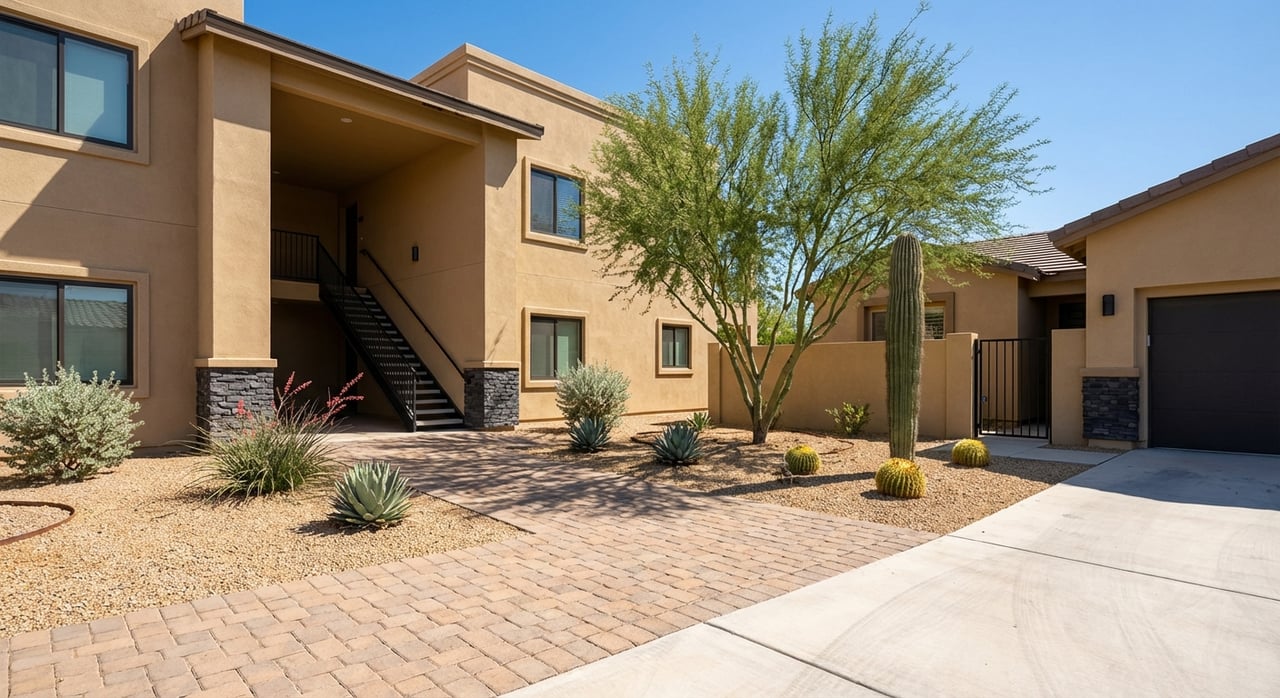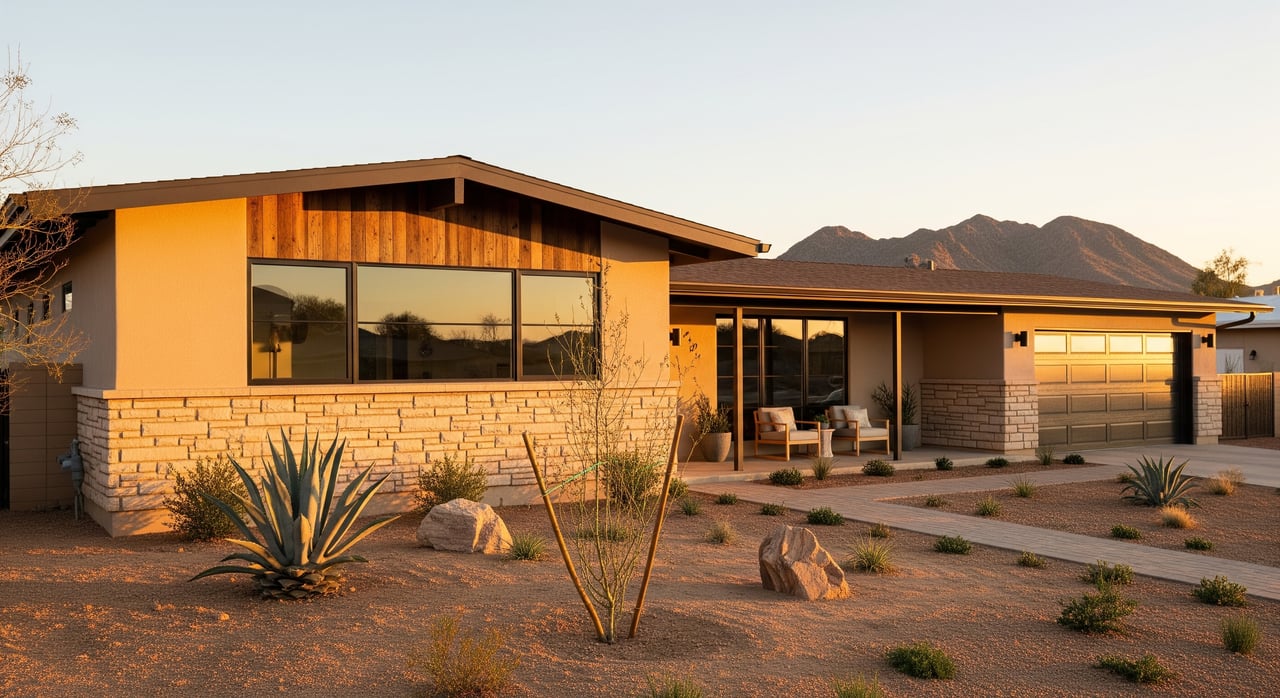
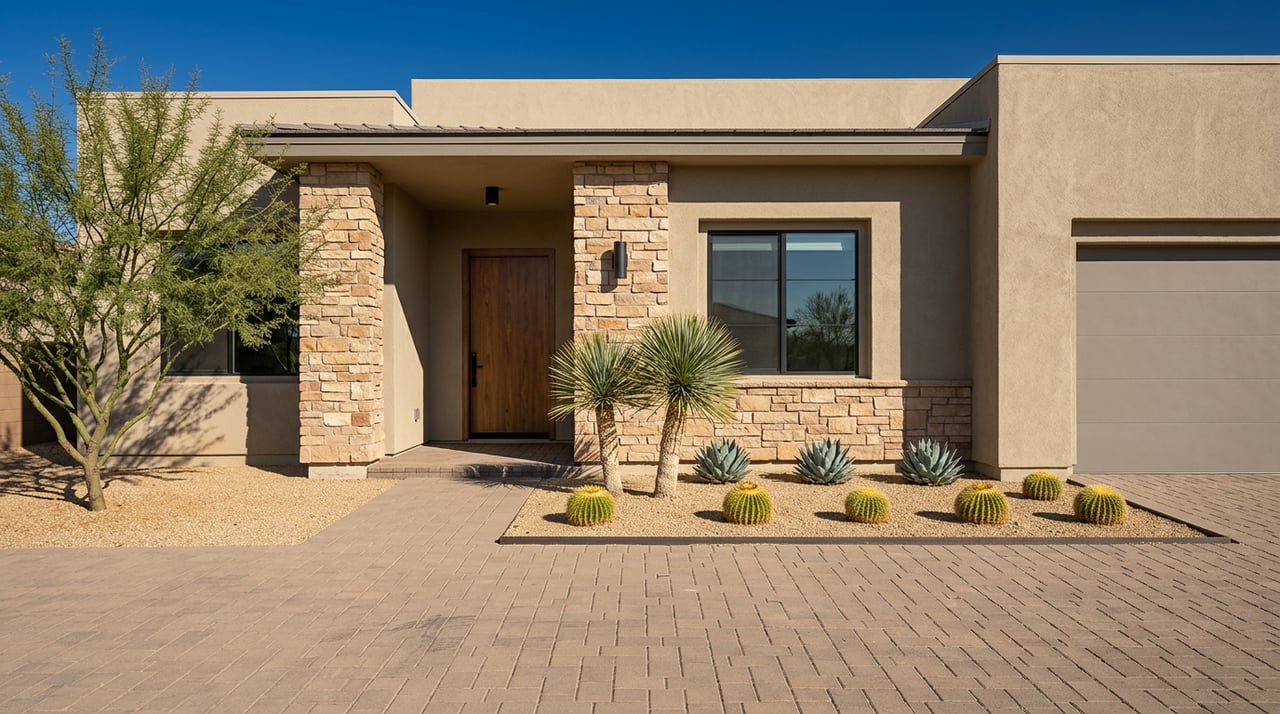
Thinking about buying in Avondale and torn between a brand-new build and a resale home? You are not alone. With prices in Avondale commonly landing in the mid-$300Ks to mid-$400Ks and homes taking multiple weeks to go under contract, the right choice often comes down to your timing, budget, and risk tolerance. In this guide, you will learn how “all-in” costs really work, what timelines to expect, which inspections matter most, and the Arizona-specific issues to watch. Let’s dive in.
Avondale snapshot: pricing and options
Public market trackers show Avondale home values generally in the mid-$300Ks to mid-$400Ks, with median time to pending often measured in weeks. That means a typical resale purchase may take a few weeks to secure a contract plus a standard escrow period.
On the new construction side, active communities in Avondale offer entry-level to midmarket homes. Builders like D.R. Horton have projects such as Del Rio Ranch, where plans and spec homes can be reviewed for current pricing and incentives. You can explore community details on the builder’s page for Del Rio Ranch by D.R. Horton. New-build starting prices in Avondale often begin in the high-$300Ks and range into the mid-$500Ks depending on plan, lot premium, and upgrades.
New vs resale: what you really pay
New construction: base price vs all-in price
The advertised price is often only the beginning. You will usually add:
- Lot premium for a preferred lot position or size.
- Structural options such as extended patios or bay windows.
- Design-center finishes like cabinets, counters, flooring, and fixtures.
- Landscaping, window coverings, and sometimes additional appliances.
These line items can add tens of thousands of dollars. Always ask for the community price sheet and an itemized options list before you fall in love with a model. For a primer on how builder options stack up, review this overview of builder options and upgrade costs.
Resale homes: pricing and negotiation
Resale prices typically reflect the home as it stands, including landscaping and seller-installed improvements. You can negotiate price and request repairs or credits during inspections. Keep a budget for near-term fixes, especially for older systems or pools.
Monthly and annual charges to verify
New neighborhoods may be organized under homeowners associations and can also include Community Facilities Districts or similar assessment districts. These districts add to your annual property taxes and may run for years. Before you sign, confirm whether the lot sits in a district and review the projected assessment schedule. City records discuss local CFDs, including Alamar, in Avondale council materials.
Builder incentives can change the math
Builders often offer closing cost help, temporary or permanent rate buydowns, and design-center credits. These incentives can narrow the price gap between new and resale. Read the fine print, since incentives may require using the builder’s preferred lender or may be reflected in the final price. See common patterns summarized in this overview of typical builder incentives.
Timelines: how long it takes
Resale timeline
Most financed resale purchases in Arizona close in about 30 to 45 days once you are under contract, assuming a standard lender process and appraisal timeline. Cash purchases can be faster. Get a quick overview of typical Arizona closing time frames here: how long closings take.
New construction timeline
- Spec or move-in ready homes can usually close in 30 to 60 days if permits and certificates are complete.
- Build-to-order plans with a production builder often run 4 to 9 months from contract to keys, depending on lot prep, permits, and trade schedules. Custom builds take longer. If you need a firm move date, a resale or completed spec home reduces timing risk. For a practical comparison, see this overview of new construction vs resale timelines.
Inspections and warranties: protect your investment
New construction: warranties to expect
Most production builders provide a multi-tier “1-2-10” warranty pattern:
- 1 year for workmanship and finishes, such as paint touchups or minor drywall issues.
- 2 years for distribution systems like electrical, plumbing, and HVAC distribution.
- 10 years limited structural coverage for designated load-bearing elements.
Details vary by builder, so read the warranty booklet closely. Learn the basics in homeowner resources from 2-10 Home Buyers Warranty.
New construction: phased inspections that matter
Always hire your own inspector. Three key checkpoints:
- Pre-drywall inspection to review framing, mechanicals, and fire blocking before walls close.
- Full final inspection before closing to build a thorough punch list.
- 11-month inspection before your 1-year warranty expires to capture issues in time.
These stages are explained in detail in this guide to new-construction inspections.
Resale homes: inspection focus areas
For resale, order a full home inspection and add specialists as needed for pools, roofs, HVAC, sewers, or termites. In Arizona, wood-destroying insect inspections are common given local conditions. Your inspector can recommend targeted follow-ups.
Arizona-specific risks to flag early
Arizona soil alert: Parts of the Phoenix and Avondale area include expansive or collapsing soils. These can cause slab cracking or door and window binding when moisture shifts. Ask whether a geotechnical report was used and what foundation design is in place on new builds. On resale, watch for unusual cracking or uneven floors and escalate to a foundation specialist if needed. The Arizona Geological Survey explains these risks in its guidance on problem soils.
Termites and wood-destroying insects: Arizona hosts several termite species. New homes often receive pre-treatment, but confirm what was done and whether a service plan is active. On resale, order a WDI inspection and review any prior reports. The University of Arizona shares practical tips for recognizing and addressing termite issues.
Desert mechanical realities: Cooling systems carry the load here. On resale, verify HVAC age, condition, and capacity. On new builds, confirm the efficiency rating and warranty coverage. Pools, irrigation, and solar add unique maintenance checks.
Appraisals and financing: set expectations
New-build appraisals can lag upgrades
If your chosen plan is in a fresh phase with few closed comps, appraisers may lean on cost or subject-to methods. Not all upgrades or lot premiums appraise dollar-for-dollar. Practical remedies include builder credits, a price adjustment, or increasing your down payment. Learn why this happens and how to prepare in this guide to new construction appraisals.
Closing costs and credits
Builders may offer closing credits or rate buydowns, which can reduce your upfront cash. Lenders treat these credits differently, so verify caps and eligibility. For resale, plan for a standard 30 to 45 day escrow and typical buyer costs like appraisal, inspection, origination, and title fees.
Who fits where: quick buyer scenarios
First-time buyer on a tight timeline (about $325K to $375K)
If you want keys in hand soon, a resale home or a completed spec can be a better fit than a build-to-order plan. Focus on updated systems and cosmetic condition, then budget for any immediate fixes identified during inspections. If you stumble on a move-in ready new-build spec with strong incentives, compare the all-in monthly cost with a similar resale.
Growing household seeking space and efficiency (about $425K to $525K)
If a flexible 3 to 5 bedroom layout and energy features top your list, Avondale’s new communities like Alamar and Del Rio Ranch may check the boxes. Confirm the real all-in price by adding the lot premium, structural choices, design finishes, landscaping, and any district assessments. Weigh the trade of time for customization.
Investor or value-focused buyer (budget flexible)
If your goal is cost per square foot and upside, older resales can offer a lower basis. Underwrite realistic renovations, HVAC or roof replacement timelines, and ongoing pool service. Compare a 5-year cash flow and exit strategy rather than just sticker prices.
Sample worksheet: estimate your new-build all-in
Use this simple list to frame the decision side-by-side with a comparable resale. Adjust numbers using the builder’s price sheet and current quotes.
- Base price: $____
- Lot premium: $____
- Structural options: $____
- Design upgrades: $____
- Landscaping and window coverings: $____
- Appliances not included: $____
- HOA dues: $____ per month
- CFD or special assessment: $____ per year
- Estimated closing costs after incentives: $____
- Estimated total at closing: $____
Tip: Read this overview on builder options and upgrade costs to avoid surprise line items.
Your inspection calendar and budget
- Pre-drywall inspection, then a full final inspection before closing. See recommended inspection stages.
- 11-month warranty inspection on new builds to capture issues before coverage lapses.
- For resale, add a termite inspection and targeted specialists for pools, roofs, or HVAC as needed.
- Typical inspector fees vary by scope and size, so request quotes early and consider bundling new-build phases.
What to ask before you sign
- What is the all-in price estimate including lot premium, options, landscaping, and assessments?
- Which items are excluded from the base price?
- What incentives are available and what are the conditions? See patterns in builder incentives.
- What does the 1-2-10 warranty cover and exclude? Review 2-10 warranty basics.
- What inspections are recommended and when? Learn about phased inspections.
- Is the lot in a CFD or other assessment district? Review Avondale council records.
- What soils and foundation design are documented? Understand Arizona problem soils.
- How will upgrades and premiums be treated by the appraiser? Prepare with this appraisal guide.
Buying in Avondale is about clarity on price, timing, and risk. New construction gives you tailored finishes, energy features, and a warranty safety net, but it requires a sharper pencil on all-in costs and timelines. Resale can deliver speed, established neighborhoods, and proven comps, with inspection-driven negotiations to balance out maintenance. If you want a clear, side-by-side analysis tailored to your needs and move date, reach out to our team at Ro & Co International. We will map your options, compare monthly costs, outline risks, and help you secure the right home on your timeline.
FAQs
What are typical new construction add-ons in Avondale?
- Expect lot premiums, structural options, design upgrades, landscaping, and sometimes extra appliances or window coverings in addition to the base price.
How long does a build-to-order home take in Avondale?
- Production builds commonly range from 4 to 9 months, while completed spec homes can close in 30 to 60 days if permits and certificates are in place.
Do I still need inspections on a brand-new home?
- Yes, schedule pre-drywall and final inspections, then an 11-month check before the workmanship warranty expires to capture issues in time.
What Arizona-specific risks should I check before closing?
- Confirm soil conditions and foundation design, plan for termite protection or inspections, and verify HVAC capacity and condition for desert heat.
Can builder incentives replace my closing costs?
- Incentives can reduce costs or rates but often come with conditions like using the builder’s lender, so review caps and eligibility with your loan officer.